Find a domain name now!
Showing posts with label Biochemistry Study materials. Show all posts

Friday, March 30, 2012

Polysaccharides

Polysaccharides are carbohydrates formed by more than 9 monosaccharides linked by glycosidic bonds.

When they are formed by the same kind of monosaccharides, they are called homopolysaccharides, like starch, glycogen and cellulose, formed each of them by hundreds of molecules of glucose linked by glycosidic linkages.

If the polysaccharides molecules are formed by different kinds of monosaccharides, they are considered heteropolysaccharides. Hyaluronic acid, formed by thousands of alternative units of N-acetyl glucosamine and glucuronic acid, is an example of heteropolysaccharide.  

HOMOPOLYSACCHARIDES:

Cellulose

Cellulose is a linear polymer of D-glucose residues bonded by b(1, 4)-O-glycosidic linkages. It is the most abundant carbohydrate in nature.

It is formed by glucose units, linked by Beta-1, 4 O-glycosidic linkages. We can say then that, if we consider the kind of linkage, the repeating unit in cellulose is cellobiose, the disaccharide formed by two molecules of glucose linked by Beta-D-O glycosidic bonds, (that is why some text books say that the monomer in cellulose is cellobiose).

The long fibers of cellulose are held together by intermolecular hydrogen bonds. Hydrogen bonding continues in the same plane with other chains as well as in planes above and below this plane to form strong, fibrous bundles. It made cellulose very appropriate for its structural function in plants

Since cellulose is formed by glucose molecules, it can be a source of energy for certain species. The lack in human beings of appropriate enzymes for digesting cellulose make this polysaccharide unsuitable for human nutrition (Have you though about how hunger in the world could disappear if we had enzymes for digesting cellulose?). Cellulose and derivatives are used as a component of laxatives for humans.

Starch:

Starch is the second most abundant carbohydrate in nature.

The biological functions include, in plants, the main way of storage of sugar, and consequently, of energetic sources; in humans, the first supply of glucose on diet (Answer to C-O7)

Starch is not really a molecule, but a grain formed by two different kinds of molecules: Amylose and Amylopectin

Amylose

Amylose is a linear molecule formed by glucose units linked by alpha-1, 4 O glycosidic linkages. Taking in account the kind of linkage we can say that the repeating unit in amylose is maltose. (It explains that some books indicate that the monomeric unit in amylose is maltose).

Amylose molecule is helicoidal

Amylopectin

Amylopectin is the second type of molecule that forms starch. It is a branched molecule, formed also by glucose. Amylopectin contains D-glucose residues bonded together by a(1, 4)-O-glycosidic linkages with branching through a(1 6)-O-glycosidic linkages.

The disaccharides that can be obtained from the digestion of amylopectin are maltose and isomaltose.

Amylopectin shows a branch each 24-30 units of glucose,

Glycogen
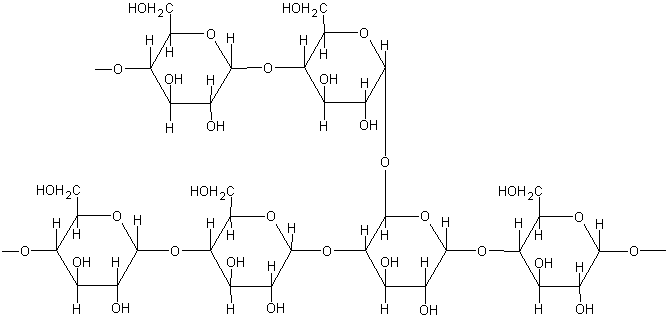
The structure of glycogen is very similar to amylopectin but more branched, with one branch every 8 to 12 glucose unit

Glycogen is the way in which glucose is stored in animals. Glycogen is stored mainly in liver (to release glucose to blood when necessary) and in muscle, where it is used as a reserve of energy for muscular contraction (Answer to C-o8)

HETEROPOLYSACCHARIDES

Heteropolysaccarides contain two or more different kind of monosaccharides. Usually they provide extracellular support for organisms of all kingdoms: the bacteria cell envelope, or the matrix that holds individual cells together in animal tissues, and provides protection, shape and support to cells, tissues and organs.

Heteropolysaccharides provide extracellular support to very different organisms, from bacteria to humans; together with fibrous proteins, like collagen, elastin, fibronectin, laminin and others, heteropolysaccharides are the most important components of the extracellular matrix.  Hyaluronic acid, condroitin sulfates and dermatan sulfates are important heteropolysaccharides in the extracellular matrix. These heteropolysaccharides usually are formed by the repetition of a disaccharide unit of an aminosugar and an acid sugar. 

A typical example

Other common constituents are sulfate groups linked to certain monosaccharides. Usually heteropolysaccharides are associated with proteins forming proteoglycans, glycosaminoglycans or mucopolysaccharides (since they are abundant in mucous secretions). As a group, they perform diverse functions: structural, water metabolism regulation (as a reservoir of water), cellular cement, biological sieve, biological lubricant, docking sites for growth factors, among other functions.

Established specific functions of some glycosaminoglycans are:

Hyaluronic Acid (Hyaluronate): It is a lubricant in the synovial fluid of joints,

give consistency to vitreous humor, contributes to tensile strength and elasticity of cartilages and tendons (Answer to C-O6)

Chondroitin Sulfates: contributes to tensile strength and elasticity of cartilages, tendons, ligaments and walls of aorta.

Dermatan sulfate (former chondroitin sulfate B) is found mainly in skin, but also is in vessels, heart, lungs. It may be related to coagulation and vascular diseases and other conditions.

Keratan sulfate: Present in cornea, cartilage bone and a variety of other structures as nails and hair.

Heparin

It is a potent natural anticoagulant produced in the Mast Cells that causes antithrombin bind to thrombin and produce inhibition of blood coagulation.

Glycosaminoglycans are synthesized in the ER and Golgi. They are degraded by lysosomal hydrolases. A deficiency of one of the hydrolases results in a mucopolysaccharidosis. These are hereditary disorders in which glycosaminoglycans accumulate in tissues, causing symptoms such as skeletal and extracellular matrix deformities, and mental retardation.

Examples of these genetic diseases are Hunter and Hurler syndromes.

These diseases, caused by different enzyme deficits, are characterized by physical deformities, mental retardation and disturbances in the degradation of heparan sulfate and dermatan sulfate.

Tuesday, February 7, 2012

Study Materials: Biological Oxidation by Satish @Biochemistry den

Study Materials: Biological Oxidation by Satish @Biochemistry den
Read and Download the Materials from Here


BIOLOGICAL OXIDATION -

Study Materials: DNA Replication Full by Satish@Biochemistry Den

Study Materials: DNA Replication Full by Satish@Biochemistry Den
Read & Download the material from here


DNA Replication study materials -

Study Materials: Cells of the Immune System@biochemistryden

Study Materials: Cells of the Immune System
Read and Download the file from Here


Cells of the Immune System -

Study Material: Plasma Proteins and role in Health and disease

Study Material:  Plasma Proteins and role in Health and disease
Read & Download the study material from here


Plasma Proteins & Anemia -


Study Material: Photosynthesis by Satish

Study Material: Photosynthesis by Satish
Read and Download from here


Photosynthesis -


Study material: Recombinant DNA Technology

Study material: Recombinant DNA Technology from Satish
Read & Download from here


rDNA technology-Biochemden -

Saturday, June 4, 2011

PCR Saliva Tests Useful for Congenital CMV Screening


Real-time polymerase-chain-reaction (PCR) assays of saliva samples are accurate for detecting congenital cytomegalovirus infection in newborns, researchers found.

Assays using both liquid and dried saliva had high sensitivity and specificity for identifying the infection, with positive predictive values over 90% and negative predictive values at or near 100%, according to Suresh Boppana, MD, of the University of Alabama at Birmingham, and colleagues.

Unlike the standard rapid cultures of saliva and urine samples, the PCR assays can be automated and adapted for widespread screening, which could identify babies who would benefit from early intervention to mitigate the effects on speech and language development of any cytomegalovirus-related hearing loss, the researchers reported in the June 2 issue of the New England Journal of Medicine.

Although screening would allow for early identification, the standard culture method performed on saliva or urine samples cannot be automated, which limits utility for large-scale screening. Most infants with congenital cytomegalovirus infection are not identified because the infection is asymptomatic and testing is not routine. 

A previous study by Boppana's group showed the dried-blood-spot PCR assays identified fewer than 40% of cytomegalovirus-infected newborns, so the researchers compared real-time PCR assays (using either liquid or dry saliva samples) with rapid culture at seven U.S. hospitals.

Of those screened with the liquid-saliva PCR assay, 85 infants (0.5%) were positive on both rapid culture and the PCR assay. Another eight infants were positive on the PCR assay but not on culture. Of the 34,989 screened, 0.5% were positive for cytomegalovirus using at least one of the three screening methods. 

Of the newborns screened with the dried-saliva PCR assay, 76 (0.44%) were positive on rapid culture -- 74 of whom were also positive on the PCR assay. Another eight infants were positive on the PCR assay only. The sensitivity and specificity of the PCR assay were 100% and 99.9%, respectively, and the positive and negative predictive values were 91.4% and 100%, respectively. 

The sensitivity and specificity of the PCR assay were 97.4% and 99.9%, respectively, and the positive and negative predictive values were 90.2% and 99.9%, respectively.
Of the 16 infants who were positive on one of the PCR assays, but not on rapid culture, 13 underwent follow-up testing of saliva and urine samples; only three actually had a cytomegalovirus infection.

"Although false-positive saliva PCR results could lead to unwarranted parental anxiety and additional testing in infants to confirm or rule out congenital cytomegalovirus infection, the overall frequency of false-positive results for both liquid-saliva and dried-saliva PCR assays was less than 0.03%," they wrote. Those false-positives may have been the result of cytomegalovirus-containing maternal secretions in the infants' mouths, according to the researchers. 

"Nevertheless," they added, "when saliva PCR assay is used to screen newborns, a positive screening result should be confirmed within the first three weeks of age to avoid false-positive screening results."


Although the dried-saliva PCR assay failed to identify two infants who had the infection according to the standard rapid culture -- and the liquid-saliva PCR assay did not miss any -- the researchers suggested that using dried saliva may be preferable for screening.


"The simplified procedures for specimen collection, storage, and transport, combined with the high sensitivity, support dried-saliva PCR assay as a reasonable approach to cytomegalovirus screening in newborns," they wrote.


They acknowledged that the study was limited in that the infants who were found negative on initial testing were not enrolled in follow-up testing to confirm the absence of the infection.


Action Points:

  • Explain that PCR testing of liquid or dried saliva was able to identify newborns with congenital cytomegalovirus infection with high sensitivity and specificity.
  • Note that congenital cytomegalovirus infection is usually asymptomatic but can cause hearing loss; currently newborns are not screened for this infection.

Thursday, June 2, 2011

When Tyrosine becomes an essential amino acid

In patients with PKU, Tyrosine becomes essential, since it is formed from Phenylalanine in the reaction that is impaired in Phenylketonuria.

Additional information:

Most of the textbooks classify amino acids from the nutritional point of view, in two groups: essential or not essential.  Essential amino acids are considered those amino acids that can not be synthesized by an organism and so should be consumed in the diet; non essential amino acids are those amino acids that can be synthesized.  This classification is not related to the importance of the amino acids, but with the fact of them being required in the diet or not.

According to this classification, the essential amino acids are:

Arginine, Histidine, Isoleucine, Leucine, Lysine, Methionine, Phenylalanine, Threonine, Tryptophan, Valine

(Mnemonics: PVT TIM HALL:

Phenylalanine
Valine
Threonine

Tryptophan
Isoleucine
Methionine

Histidine
Arginine
Leucine
Lysine)

Non essential amino acids are:
Alanine, Asparagine, Aspartate, Cysteine, Glutamate, Glutamine, Glycine, Proline, Serine, Tyrosine

Like most facts in biology, this “black and white” classification is not 100 % accurate. Actually, some amino acids are conditionally essential or partially essential, since some “essential” amino acids, like arginine,  can be synthesized by the body. Arginine is synthesized in the urea cycle, for example, but it is considered essential since the quantity of Arginine that is synthesized is not enough during the growing process.

 Tyrosine is an amino acid that is synthesized in the body from Phenylalanine, that is an essential amino acid. This reaction is catalyzed by the enzyme Phenylalanine Hydroxylase, that use as cofactor reduced tetrahydobiopterine.
If Phenylalanine is deficient in the diet, then the body requires tyrosine in the diet.

In Phenylketonuria there is an excess of Phenylalanine, since the body can not metabolize it, but Phenylketonuria is a consequence of a deficit of Phenylalanine Hydroxylase (Classic Phenylketonuria) or a deficit of Tetrahydrobiopterin Reductase. In both cases, the organism is not able to synthesize Tyrosine from Phenylalanine, so even when there is an accumulation of Phe in these patients, it can not be used to synthesize Tyrosine.

In fact, some of the signs and symptoms of Phenylketonuria, like mental retardation and other neurological symptoms, have been related to the unavailability of tyrosine for the synthesis of the neurotransmitters that derive from tyrosine.

The lack of pigmentation of PKU patients, has been related also to the lack of tyrosine, since Tyrosine is a precursor of melanine also.

It is obvious that if Tyrosine is formed in normal persons from phenylalanine through the reaction cited above, in case that this reaction can not be produced, like in PKU, it is necessary to supplement the patient with Tyrosine, since the patient can not synthesize it, so Tyrosine becomes an essential amino acid for these patients

What is Chelation Therapy


Chelation therapy is the method that is used to remove toxic heavy metals. The heavy metals that this is most commonly associated with are mercury, lead and arsenic. There are of course approved as well as alternative methods of chelation therapy. The ones that are approved involve the use of dimercaptosuccinic acid.This is the primary item that is used in the removal of these heavy metals from an individual’s bloodstream.
In essence it works as a filter to help remove these harmful toxins from the bloodstream of the person who is affected. There are of course other items that are in use as chelating agents as well. Each of these will have different results based on the metals that they are used to treat. It is not always a successful method for treating the toxins that are in one’s system; however it is a method that has met success in the past.

The alternative medicine methods are also believed to be useful, but are not approved by any organization as far as medicine is concerned. The item most widely believed to be effective as a chelating agent is cilantro. It is believed to aid with heart disease as well as the removal of lead, arsenic and mercury.

Tuesday, May 24, 2011

What are omega-3 fatty acids

Definition
Essential for human health, omega-3 fatty acids are a form of polyunsaturated fatty acids, which are produced by the body and must be obtained in the diet of a person.

Purpose
The consumption of foods rich in omega-3 fatty acids is part of a healthy diet and help people maintain their health.

Description
In recent years, much attention has focused on the value of a diet low in fat. In some cases. People in this opinion to the extreme by adopting a diet low in fat, or worse, a regime that has no fat, but the truth is that not all fats are bad. Although trans fats and saturated fats found in large amounts in red meat, butter, whole milk and some canned foods, have proven that the person's total cholesterol, polyunsaturated fatty acids may play a role in maintaining low cholesterol . Two are particularly good omega-3 and omega-6, which are polyunsaturated.

Two types of omega-3 fatty acids eicosapentaenoic acid (EPA) and decosahexaenoic acid (DHA), found primarily in fish from cold water and hydrocarbons, such as tuna, salmon, trout, herring, sardines,
bass, swordfish and mackerel. With the exception of algae, most plants do not contain EPA and DHA. However, alpha-linolenic acid (ALA), another type of omega-3 fatty acids found in green leafy vegetables, flaxseed, fish oil, canola oil, nuts, beans and nuts, and soybeans. The enzymes in the body of a person can convert ALA into EPA and DHA, the two types of omega-3 fatty acids and used by the body.

Many experts agree that it is important for a healthy balance between omega-3 and omega-6 to maintain. As Dr. Penny Kris-Etherton and colleagues reported in an article published in the American Journal of Nutrition, excessive intake of omega-6 fatty acids results in a change in diet unhealthy American diet. The authors note that it was a 1:1 ratio of omega-3 and omega-6, is now estimated at a ratio of 10:1. This poses a problem, researchers said, because eating some of the benefits of omega-3 acids are denied by an excessive intake of omega-6 fatty acids. For example, omega-3 fatty acids, anti-inflammatory, while omega-6 fatty acids tend to promote inflammation. Oils, cereals, bread, margarine and vegetable oils such as corn, peanut and sunflower oil are examples of omega-6 fatty acids. In addition, people consume omega-6 fatty acids simply by eating meat from animals fed with grains rich in omega-6 fatty acids. Some experts suggest that drinking 1-4 times more omega-6 fatty acids omega 3, which is a fair share. In other words, often nutrition experts say the key to a healthy diet is moderation and balance.


The health benefits of omega-3 fatty acids

there is strong evidence that omega-3 fatty acids a person against atherosclerosis andtherefore against heart disease and stroke, arrhythmia, cardiac and sudden cardiac death, and possibly autoimmune diseases like lupus and rheumatoid arthritis protection issues. Indeed. The doctors Dean Ornish and Mehmet Oz, renowned heart specialist, according to a 2002 article published in the journal, the benefits of consuming adequate daily dose of omega-3 fatty acids may contribute to sudden cardiac death is reduced by almost 50 %. In fact, in an article in American Family Physician, Dr. Maggie Covington, assistant clinical professor at the University of Maryland, also emphasized the value of health and tocardiovascular omega-3 refers to a major clinical trial to date, the GISSI-Prevenzione, To illustrate his point of view. In the study, 11,324 patients with coronary artery disease into four groups: one received 300 mg of vitamin E, a group of 850 mg of omega-3 fatty acids was one group received vitamin E and fatty acids, and a control group served as . After a little over three years, "the group that the omega-3 had only a 45% reduction in sudden death and a 20% reduction in mortality from all causes" Dr. Covington.


According to the American Heart Association (AHA) and the omega-3 fatty acids can reduce heart disease is still under investigation. However, the AHA says that research shows that omega-3:

  • Reduce the risk of arrthythmias which can lead to sudden cardiac death
  • Decreased triglycerides  
  • To reduce the growth of atherosclerotic plaque 
  • Low blood pressure slightly
In fact, several studies have shown that a diet rich in omega-3 fatty acids not only the bad cholesterol known as LDL, but also reduced triglycerides, the fatty substance that circulates in the blood. Interestingly, researchers found that cholesterol Inuit tend to be very good, despite the fact that they have a diet high in fat. The reason for this research found that diets rich in fatty fish are full of omega-3 fatty acids. The same has been said many times over the Mediterranean-style diet.

Are said to reduce inflammation in the joints, more omega-3 fatty acids have been the subject of numerous studies trying to validate its efficacy in the treatment of rheumatoid arthritis. According to a lot of research on supplements of omega-3 fatty acids are clearly effective in reducing symptoms associated with rheumatoid arthritis, such as softness and stiffness. In some cases, reducing the amount of drug in patients with rheumatoid arthritis found.


More research is needed on the effectiveness of omega-3 to improve the treatment of eating disorders, the attention deficit disorder and depression. Some studies have shown that children with behavioral problems and ADHD is less than the normal amount of omega-3 fatty acids in their bodies. But until more data on these key areas to be a conservative approach, particularly when changes in the diet of a child. Parents should talk with your child's pediatrician to determine whether to add more omega-3 fatty acids to feed your child is eligible. In addition, parents of special care to avoid feeding their children fish rich in mercury. The list of foods rich in omega-3 fatty acids can be obtained from a nutritionist.


The mercury content and security

media attention focused on the high concentrations of mercury in some fish. People who deal with the content of fish consumption and mercury can consult public opinion on the subject published by the U.S. Organization and Drug Administration and the Environmental Protection Agency. special precautions for children and pregnant or nursing. They are informed about sharks, mackerel, swordfish and tilefish occur. However, both the U.S. Food and Drug Administration and the Environmental Protection Agency, stressed the importance of subsistence fishing. Fish, warn not to be removed from the diet. In fact, said Robert Oh, MD, in his 2005 paper, published in the Journal of the American Board of Family Practice "The potential health benefits of fish, women of childbearing age are encouraged to eat 1-2 meals of low-mercury fish a week. "


other security problems were also reported fish. In 2004, Hites and colleagues assessed the salmon organic pollutants in an article published in the journal Science. They concluded that farmed salmon had higher levels of public interest of polychlorinated wild salmon and a response from the American Cancer Society is desired. Fish farming in Europe is at higher levels of mercury in salmon in North America and South America, but American Cancer Society said the levels "of toxic Hites and his colleagues found in salmon is even lower than the U.S. Food and Drug Administration, which regulates food, sounds dangerous. "The American Cancer Society continues to promote a healthy and varied diet that includes fish as a food source.


The recommended dose

AHA recommends that people with two servings of fish such as tuna or salmon for lunch at least twice a week. A person with coronary disease, according to the AHA, should consume one gram of omega-3 fatty acids per day through food intake, preferably fatty fish consumption. AHA also says that "people with high triglyceride levels may be 2 to 4 grams of EPA and DHA in a daily supplement is a liquid orcapsule. Broken or crushed flaxseed can be easily incorporated into the diet of a person spray salads, soups and cereals.


Several sources, but here are some common examples:

  • 3 grams of pickled herring = 1.2 grams of omega-3 fatty acids 
  • 3 oz salmon = 1.3 grams of omega-3 fatty acids  
  • 3 ounces of halibut = 1.0 grams of omega-3    
  • 3 ounces of mackerel = 1.6 grams of omega-3
1 teaspoon 1 / 2 cup = 3 grams of flaxseed omega-3 fatty acids

Precautions

In early 2004, the U.S. Food and Drug Administration of the Environmental Protection Agency issued a statement that women who are pregnant or may be, and nursing mothers and children should avoid eating certain species of fish oil contains high levels of mercury. Fish in general, high levels of mercury are swordfish, shark and mackerel, and shrimp, canned light tuna, salmon and catfish are generally low in mercury. How many people go fishing as a hobby, she must be secured before eating fish caught by family and friends to the stream or lake is considered low in mercury.


There is conflicting information, if it is safe for patients with macular degeneration in omega-3 fatty acids taken in supplement form. Until more data become available, it is preferable for people with macular degeneration associated with its omega-3 fatty acids to receive the food they eat.

Side effects
The fish oil supplements can cause diarrhea and gas. The fish oil capsules tend to have a taste of the fish.


Interaction
Although no significant drug interactions associated with the consumption of foods containing omega-3 fatty acids, patients treated with anticoagulants should not omega-3 supplements without consulting your doctor. Can cause excessive bleeding. For the same reason, some patients requiring more than 3 grams of omega-3 fatty acids in supplement form must seek prior approval from your doctor.

Fever is good paracetamol is bad

Doctors often prescribe paracetamol when their patients have fever. I often fall below the body temperature of 38.0 degrees Celsius. Honestly, when we are sick, you better have a fever. Sounds like a myth to you? Am I wrong? Are you surprised by what I said?

Pathogens (bacteria, virus) and a normal body temperature of 37.0 degrees Celsius in general optimized.
Similarly, if you are a chicken hatching, the temperature is 37.0 degrees Celsius. If you grow an agar plate with the bacteria E. coli, the temperature is 37.0 degrees Celsius.  

After looking at the numbers, I concluded that life is more suited to mammals 37.0 degrees Celsius. You can also indirectly imply that viruses and bacteria multiply rapidly at 37 degrees Celsius. The use of paracetamol lowers body temperature to 37 degrees Celsius, which is the growth of bacteria and influenza virus.

If you have a fever, our body temperature rises. The brain acts like a thermostat to regulate temperature, depending on the seriousness of our condition. This review of body temperature due to the production of smoke to destroy pathogens. High fever slow down the enzymes that kills bacteria. Off when our body temperature rises. Temperature rated speed the body's defense, strengthen the interaction between white blood cells with pathogens.

Take medication for fever, actually gives your body a chance to get slower. When paracetamol is broken down into its metabolites in the liver, is preparing excreted by the body, this metabolite is toxic to cells. You are only required to eat when acetaminophen fever over 38 degrees Celsius. This is due to the temperature at 39 degrees Celsius can cause further brain damage due to the inability of the enzyme in the brain to work.

Doctors often recommend us to 2 tablets (1000 mg), paracetamol only eat once every six hours. In my own research and study only eating 1000 mg of acetaminophen if the fever is high. If you have a weakness for the average degree of fever, I recommend a tablet (500 mg) of acetaminophen every four hours to consume. 

First, the half-life of drugs and the secretary of more effective drugs. As you can see that the frequency of consumption of the same amount of medicine every six hours (if you have two pills, eats 6 hours), compared to 8 hours (if you eat 2 tablets 4 hours). 

Second, the stress of his liver to less toxic metabolite of acetaminophen separation.

If you do not trust me, that fever is beneficial or harmful, go directly to a Google search.
For your information, all temperatures shown above are accurate only if the temperature under the tongue to measure.

House made hydrochloric acid, sodium hydroxide, sodium hypochlorous acid

This experience, I tried today and was very successful. These are chemicals that I find in my kitchen - baking powder, sodium chloride, acetic acid.

I want to hypochlorous acid, but this acid is very difficult to obtain in pure form for me to become contaminated. First, get a bucket of water and add as much as possible until the sodium chloride is no more, can be solved faster results.
Then connect the positive of the battery in a carbon rod and negative for the carbon rod. We use carbon (graphite), and it does not break in electrolysis. (IMPORTANT: Make sure the two carbon rods are not connected, a short circuit be dangerous, the car battery is capable of producing 30 amps of current if you do not realize how strong it is).

Now add a membrane (paper) between two electrodes. Be sure the water does not deviate from left to right; otherwise the experience will be a complete failure. After this step, place the electrode and the electrolysis started. If you want more salt, electrolysis done to remove sodium chloride.

After the experiment, to create an equivalent amount of fluid from the right side of the membrane and the membrane is left without any alteration of the water. Pour the solution into the right place for container and the container is left to the left. In the positive electrode. The uptake of oxygen and chlorine gas, chlorine reacts with water to form hydrochloric and hypochlorous acid (chlorine weak acid) to form. Great, you've done to make a mixture of hypochlorous acid solution.

If you want to make hydrochloric acid, hypochlorous acid, put the mixture in the hot sun, and now produces hydrochloric acid, oxygen gas, but the output to the environment.

The other side of the electrode to produce caustic soda, which can be used in many chemical reactions or react with the acid to form sodium chloride.

What if no one in his membrane electrolysis. You get NaOCl (alkaline solution) or NaOCl3 if temperatures exceed 40 degrees Celsius. Using a pH indicator Cool, we show that all these chemicals are produced correctly.

Also sodium carbonate by heating sodium bicarbonate. Besides heating to about 1000 degrees Celsius to obtain sodium. We also have sodium acetate or sodium IUPAC name.

When healthy pH balance

What is the pH?  
pH stands for potential hydrogen. PH of a solution is to measure the concentration of hydrogen ions. The higher the pH the more alkaline and oxygen rich liquid. The higher pH, more acidic and oxygen deprived the fluid. The pH range of 0-14, with 7.0 neutral. Indicator above 7.0 is alkaline, and below 7.0 is considered acidic.

Our blood pH has a very narrow range around 7.35 to 7.45. If the pH in our body deviates from this series, are symptoms of disease or illness. If our blood pH falls 6.8 or 7.8, to stop our cells function, and death occurs.

A healthy body has a pH of blood is approximately equal to the acidity and alkalinity. The ideal pH balance is 7.4, which means it is more alkaline than acid. Only when the pH is the balance that our body can actually vitamins, minerals and supplements to assimilate. Therefore, determining the pH of our body as well.


An acid pH body is more vulnerable to disease. In acid, red blood cells are not repel and stick like a stack of coins are called roller exercises. This configuration limits the amount of oxygen-carrying capacity of red blood cells sandwiched between the two ends are pressed against each other and therefore can not carry oxygen. reduction of oxygen causes energy, fatigue and weakness low, to name a few symptoms. Moreover, cancer cells are working in an environment without oxygen (anaerobic) much better than in an oxygenated environment.


The importance of maintaining an optimal pH is a critical factor in treating internal contamination with suitable soil for cancer and a variety of inflammatory diseases discouraged.
Most of these conditions worsen in an acidic environment. They do not do well in an acid environment.

What happens when the body is too acidic? Acid:

1. Decrease the body's ability to absorb minerals and other nutrients


2. Decreased energy in cells


3. Decrease the body's ability to repair damaged cells


4. Decrease the body's ability to detoxify heavy metals

5. tumor cells can grow


6. Make the body more susceptible to fatigue and illness.


Some people who have a high acid content tend to have symptoms such as anxiety, diarrhea, dilated pupils, extroverted behavior, fatigue in early morning, headaches, hyperactivity, hypersexuality, insomnia, nervousness, palpitations, restless legs, trouble breath, strong appetite, high blood pressure, warm hands and feet dry.

In most cases, the agency acids due to a diet rich in fatty acids, emotional stress, toxic overload and / or immune reactions or a process that cells deprived of oxygen and other nutrients. When this happens, the body tries to compensate for acidic pH by using alkaline minerals like calcium.
Therefore, the calcium in bones and osteoporosis.

Acidosis, with more time in the acid pH state, can cause arthritis, diabetes, lupus, tuberculosis, osteoporosis, hypertension and other forms of cancer.


Two important factors that lead to cancer, is an acid pH and lack of oxygen. Therefore, we can measure these two factors for cancer prevention and control to manipulate?

Everyone knows that cancer should be an acid and hypoxic survive and thrive.
Research has shown that patients with terminal cancer 1,000 times more acidic than normal healthy people. The vast majority of patients with terminal cancer has a very acidic pH. Why is this the case?

The reason is simple. Without oxygen, glucose is fermented lactic acid. This ensures that the pH of the cell to drop to 7.0. In most cases of advanced cancer, decreased to pH 6.5. Sometimes, the lowest level of 6.0 and 5.7 or less. The fundamental truth is that our bodies simply can not fight disease if our pH is unbalanced.


Normal human cells are slightly alkaline and has an abundance of molecular oxygen. Cancer cells are acidic and can not survive in an oxygenated environment. Therefore, we conclude that the pH balance is very important for health, especially for patients with cancer.


pH indicators are the number one exponent of 10 The small difference in pH will result in a significant difference in the number of oxygen or OH-ions. A difference of one to a pH value means ten times the difference in the number of OH-ions. A difference of 2 means one hundred times the difference in the number of OH-ions. In other words contain the blood with a pH of 7.45 64.9% more oxygen in the blood with a pH of 7.30.


1. Saliva pH Test
Simply wet a piece of paper with your saliva decisive two hours after a meal and gives a reflection of your health.


Although saliva is usually more acidic than blood, a good indicator of health.
Tell your body again. PH of saliva is a good indicator of the health of extracellular fluids and their alkaline mineral reserves.

The optimal pH for saliva is between 6.4 to 6.8. A reading below 6.4 means that there is sufficient alkaline reserves. After lunch, the increase in saliva pH 7.8 or higher. If there is no prize, which means your body is the lack of alkaline minerals, especially calcium and magnesium. The food is not absorbed and assimilated well. To deviate from ideal salivary pH for the disease take a long time.


If the pH of saliva is still low, we need more vegetables, fruit and mineral water and avoid strong acids, such as soda, wheat and red meat to maintain balance.

2. PH testing of urine
PH of urine is an indication of how the body's blood pH to maintain the good. This reflects the efforts made by the body through the kidneys, adrenals, lungs and gonads of buffer salts and hormones. The urine also shows the alkaline building (anabolic) and acid destruction (catabolism) cycles. By collecting urine samples, one can determine a fairly accurate picture of the chemistry of our body as the kidneys filter out the buffer salts of pH regulation and provide values ​​based on the body to eliminate. Urine pH can vary from 4.5 to 9.0, but still within the ideal range is 5.8 to 6.8.


To raise the alkalinity in the blood, eat these foods: almonds, aloe vera, apples, apricots, bee pollen, wheat, cabbage, cantaloupe, celery, carrots, cucumbers, dairy products except hard cheese, dates, vegetables, eggs poached figs, grapes, honey, lettuce, corn, parsley, grapes, peaches, fresh red potatoes, pineapple, soy, kale, boiled spinach, turnip greens, miso soup, wakame, azuki beans, rice and mineral water.


Finally, the balance of your pH is an important step for optimal health and better health. Acidosis is the main cause of the disease of calcium deficiency. After many studies, scientists can conclude that the health of human body fluids are alkaline (high pH), while the patient's body fluids containing (low pH) acid should have.

Chromosomes and mitochondria

Humans have 23 pairs of chromosomes. Because human chromosomes in pairs?

Each pair of chromosomes is called. homologous chromosomes means that the same length and their centromeres are in the same situation that followed the same pattern of light and dark bands when displaying colors, and carry the genes of the same hereditary characteristics in line in the chromosome in the same order .

Among the 23 pairs of chromosomes, the male sex chromosomes, only because they are heterogeneous XY chromosomes, while females had a couple who are XX. Is the Y chromosome, which is of great importance to the genealogist, because, as one passes from father to son virtually unchanged, is a nickname for a signature or fingerprint that is sent in the same way in many cultures.

Now that you've learned something about human chromosomes, but chromosome not only documents containing DNA. Now, also known as mitochondrial DNA, which is essential for cell growth.

Mitochondria are small, ranging from 0.002 to 0.008 mm in length, where data can only be seen by electron microscopy. Mitochondria are the power in our cells to produce energy for the reaction and metabolism. Let me give an example in the role of mitochondria in human cells. When you eat carbohydrates, which break and finally converted into glucose. energy release from mitochondria of glucose to fuel cells.

Mitochondria contain a small amount of DNA used for the manufacture of thirteen of the proteins that are necessary for its business. Mutations in the coding region of the proteins in the mitochondrial DNA can cause a variety of diseases in humans, usually with neuromuscular dysfunction, or certain forms of diabetes.

Of interest to the genealogist (among others) is that all mitochondria come from a person of his mother. Although the sperm tail is full of energy for mitochondria his long journey to the tail of egg and sperm mitochondria in the design and not by the oocyte. That is why all mitochondria in the fertilized egg of the mother of one.

Each cell contains thousands of copies of mitochondrial DNA, but only a set of chromosomal DNA.

Tuesday, March 23, 2010

Liver is an important organ in the human body

The liver is an important organ in the human body. Aside from creating functional molecules and chemicals for the body, it also removes compounds that could possibly poison other organs. Understanding the liver's functions will help prevent liver ailments by learning how to eat better to protect the liver and avoid disease


The Facts
The liver is the biggest organ in the human body. It is found in the right upper section of the abdomen and extends to the top of the diaphragm. The top part is beneath the right lung, the left end is under the heart, the left bottom side is above the stomach, and the right bottom side is above the gall bladder and right kidney and is protected by the right rib cage. Its color is reddish brown and it has a smooth texture. It has four lobes. The liver is larger when the human body is in its infancy stage and reduces in size as the body grows older. It weighs in at 1.2 to 1.5 kg in the female body and 1.3 to 1.6 kg in the male body.

Function:
The liver's function in the human body is to help break down and distribute nutrients in food. Medicine and alcohol are also processed by the liver so that toxins can be removed. The liver produces many chemical compounds that help in various bodily functions, some of which are to help blood to clot, maintain the glucose level in blood by breaking down and transforming glucose into glycogen, and regulating levels of amino acids, the building blocks of protein.

Significance:
The human body cannot function without the liver since it is responsible for many of the processes that the body needs to survive. One major function of the liver is to treat everything that is ingested and produced by the body and turn it into useful chemicals that aid other organs in maintaining the human body's functions. Byproducts that are not needed by the body are turned into waste and excreted.


Considerations
Medications and alcohol have a strong effect on the liver's health. A perfectly functioning liver means that all the organs in the human body will operate just as well. Alcohol abuse and prolonged intake of certain medications change the liver's metabolism and will affect its functions, possibly leading to liver diseases like cirrhosis, hepatitis, liver cancer or Wilson's disease.


Prevention
Drink plenty of fresh water throughout the day to help the liver do its job. Add more fruits and vegetables to your diet and give your liver a rest from red meats and processed food. Eat only fresh food and avoid food that has been reheated more than once. The liver weeds out any bacteria ingested through food intake, and too much harmful bacteria may cause liver damage. Avoid excessive intake of alcohol or avoid it altogether to prevent damage to the liver.

DOWNLOAD your copy


DOWNLOAD your copy


Monday, March 15, 2010

Immunology Notes for Students

Immunology

Immune System, Anatomy of the immune system,

Immunity Mediated by B Cells and Antibodies

Manipulation of the Immune Response

Innate Immune System, Innate Immunity, Innate Immunity2, Anatomical Barriers,

Mechanical Removal, Bacterial Antagonism, and Antigen-Nonspecific Antimicrobial Chemicals Produced by the body

Pattern-Recognition Receptors (Including Toll-Like Receptors) and Cytokines

Adaptive Immunity to Infection,

Cells of innate immune system

B Cells and T Cells: lymphocytes of the immune system, Regulatory T cells, T Helper cells, Cell-Mediated Immunity

lymphatic system and immunity,

Phagocytosis, The Process of Phagocytosis, Natural Killer (NK) Cells, Mast Cells, Basophils, Dendrite cells

Defense Cells in the Blood: The Leukocytes

Defense Cells in the Tissue: Macrophages, Dendritic Cells, and Mast Cells

Cytotoxic T lymphocytes (CTL)

Lymphocytes, Lymphoid organ

The Complement System, Complement System

Classical Complement Pathway, Lectin Pathway, Alternative Complement Pathway

How MO's Resist Body Defenses by Circumventing the Complement Pathways

Antigen, Antigen Presentation (how antigens are "presented" to B cells & T cells), Antigen Receptors (on B cells & T cells)

Antigen Receptor Diversity, Antigen recognition

Antibodies, Antibody affinity, Antibody-Antigen Binding, Antibody response

Cytokines

Regulation to the immune response

Autoimmunity and Transplantation

Transplantation, organ transplantation, bone marrow transplantation

Vaccination, Vaccines, Vaccines2, Passive Immunity

Immunotechnology, Monoclonal antibodies, ELISA (enzyme-linked immunosorbent assay), Radioimmunoassay, Cancer Immunotherapy

Immune disease and condition, AIDS, Allergies, immunology of Asthma, Autoimmunity and autoimmune disease, Infection, Immunodeficiency, ADA SCID,allergic asthma, anaphylaxis, aplastic anemia, arteritis, arthritis, Autoimmune lymphoproliferative syndrome, celiac disease, conjunctivitis, Crohn's disease,elephantiasis, Graves Disease, Guillain-Barre Syndrome, HIGM, IFN-γ receptor deficiency, leprosy, Lyme Disease, malaria, MCL, mononucleosis, Omenn's syndrome, psoriasis, rabies, scleroderma, systemic lupus erythemtosus, Trypanosomiasis, Wiskott-Aldrich Syndrome, Autoimmune Polyglandular Syndrome,Rheumatic Fever, Fever

Activation-induced Cytidine Deaminase (AID) Deficiency, Immune Tolerance

Hypersensitivity Inflammation, Inflammation2

Nutritional Immunity

The Acute Phase Response

Clonal selection and immunological memory

Games Parasites Play: some ways of evading the immune responses of their host

Histocompatibility Molecules: and their role in eliciting an immune response

HLA-A2: the structure of a class I histocompatibility molecule

The Immunological Synapse

Nude Mice

Immune Proteins

B7s, C3, C5, CAD, CD1, CD3, CD40L, CD45, CD59, CTLA-4, DAF, E and P selectin, FAS, HLA-DM, INF-γ, Lck, MBL, MIF, NFAT, NFκB, pTa,RAG1-2, TAP, tapasin, TdT, TLR-2, ZAP-70,

Glossary

LinkWithin

Related Posts Plugin for WordPress, Blogger...